
Bihani Social Venture is Nepal-s first social enterprise dedicated to promoting healthy and active ageing. We believe that growing older should be a stage of opportunity, purpose, and continued contribution rather than isolation or dependence.
Through home based care, social engagement, lifelong learning, and community programs, Bihani empowers older adults to remain active, independent, and connected with society. We create opportunities for them to share their knowledge, skills, and life experiences while building meaningful relationships and improving their overall wellbeing.
We work closely with families, communities, organizations, and government partners to promote age friendly environments where older adults are respected, valued, and supported. Our goal is to ensure that every individual can age with dignity, confidence, and purpose.
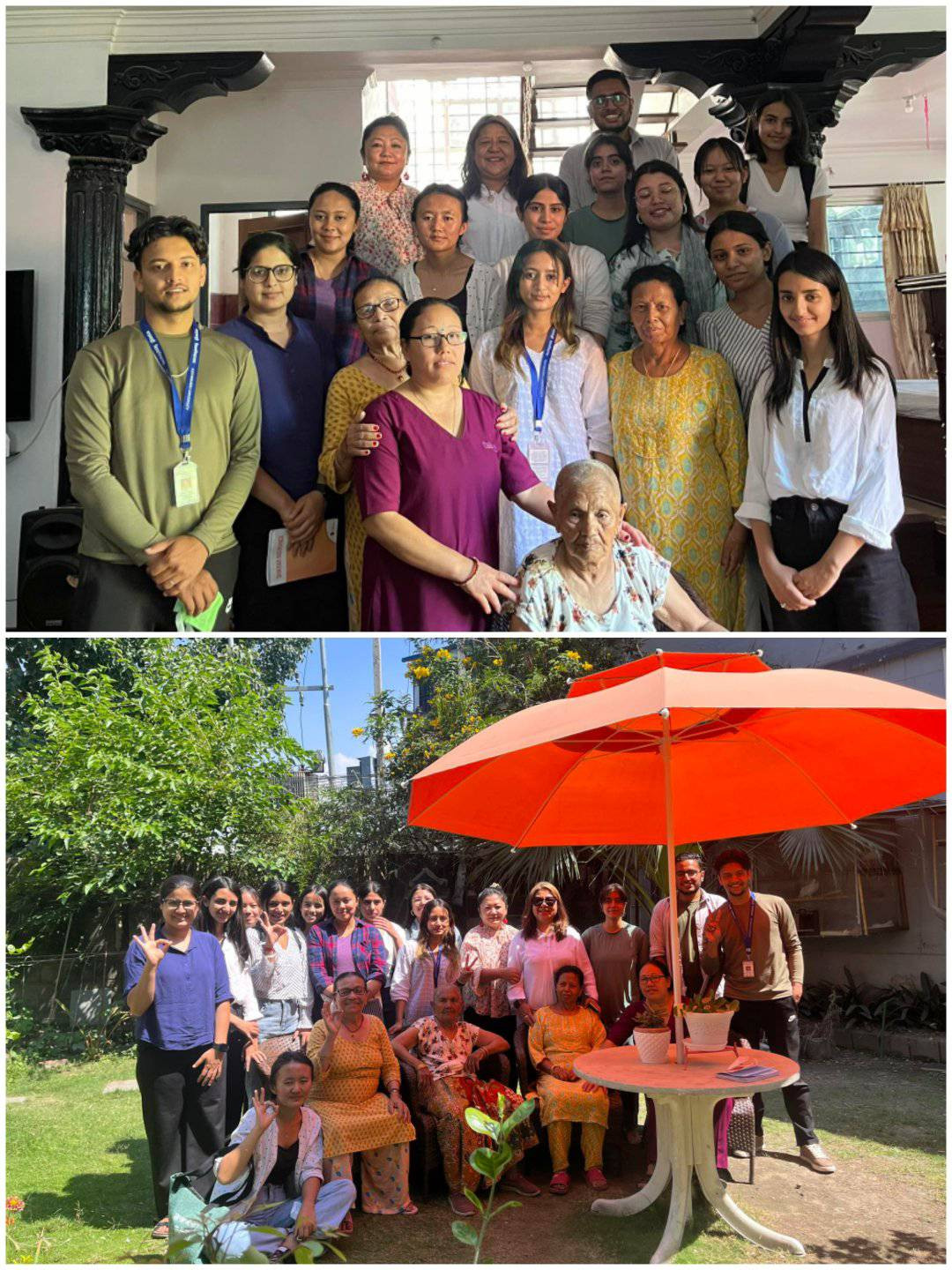
As people grow older, many experience loneliness, social isolation, declining confidence, and reduced opportunities to participate in community life. These challenges are often caused by changing family structures, migration, busy lifestyles, and the misconception that ageing means becoming dependent or less valuable.
At Bihani, we believe that every older adult deserves the opportunity to live an active, meaningful, and dignified life. Older adults possess invaluable knowledge, experience, and wisdom that should continue to benefit families, communities, and society.
Nepal is experiencing a rapid demographic shift, with the number of older adults increasing every year. This growing population highlights the urgent need for services, policies, and communities that promote healthy ageing, social inclusion, and independence.
Bihani exists to address these challenges by creating opportunities for older adults to remain socially connected, contribute their skills, and continue living with purpose. Together, we are building communities where ageing is celebrated, respected, and embraced as a valuable stage of life.